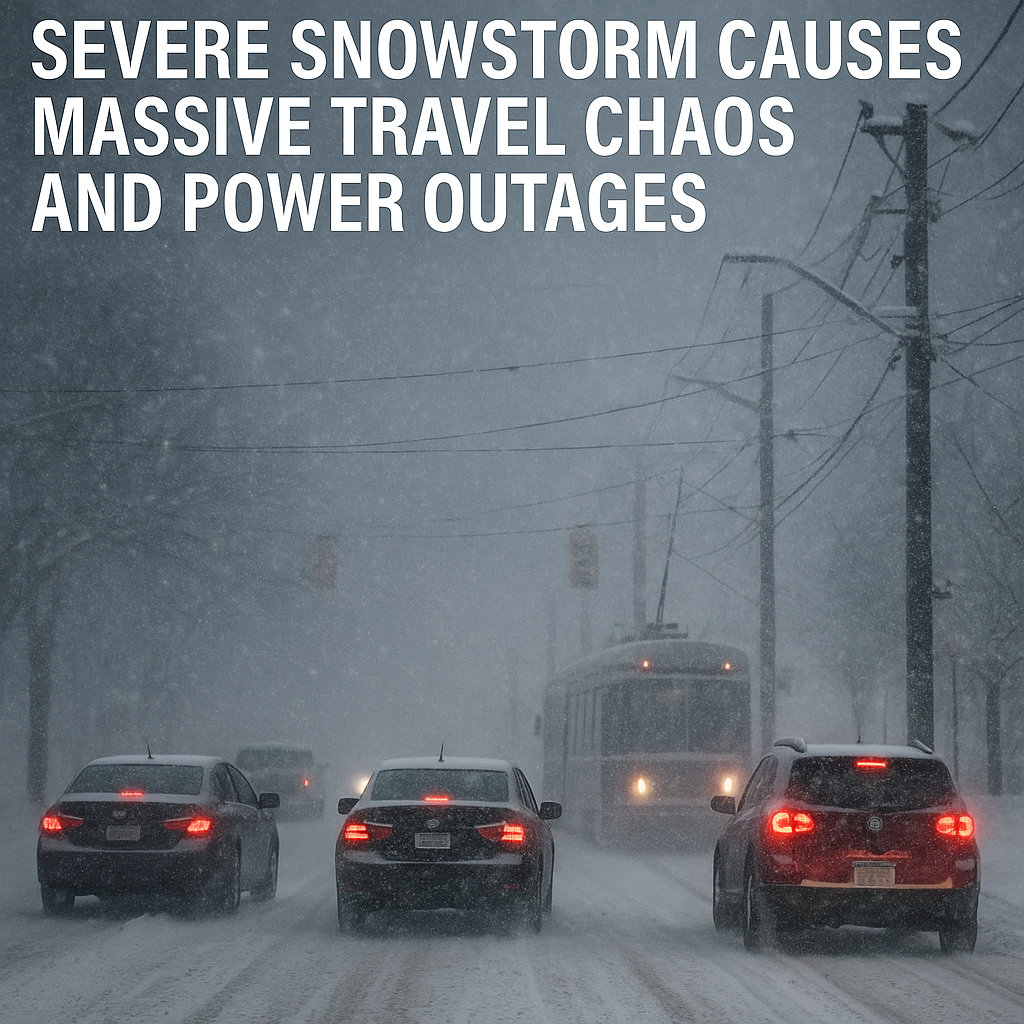
Severe Snowstorm Causes Massive Travel Chaos and Power Outages
A severe snowstorm has blanketed large portions of the region, leading to unprecedented travel disruptions and widespread power outages. As the icy weather continues to worsen, residents and commuters alike are grappling with hazardous road conditions and uncertain timelines for power restoration. This recent storm serves as a stark reminder of the challenges posed by extreme winter weather and the importance of preparedness.
The Extent of the Snowstorm’s Impact
Starting late last night, heavy snowfall accompanied by strong gusts of wind swept across the area, quickly accumulating over a foot in some locations. Visibility rapidly deteriorated as whiteout conditions emerged, making travel perilous and ultimately forcing authorities to close major highways and secondary roads.
Local airports experienced severe delays and numerous flight cancellations as runways became icy and snow-packed. Commuter trains faced disruptions too, with some services suspended due to frozen tracks and mechanical issues caused by the cold. Public transportation agencies urged passengers to avoid non-essential travel, warning that conditions could worsen throughout the day.
Travel Chaos Resulting from the Winter Storm
One of the most immediate consequences of the storm has been massive travel chaos. Highways transformed into treacherous pathways of ice and slush, leading to multiple accidents and stalled vehicles that further clogged roadways. Emergency responders are working around the clock to clear snow and assist stranded motorists, but progress remains slow.
Traffic backups have stretched for miles, and many drivers have reported waiting hours to get through affected routes. In urban areas, public transit delays have garnered frustration from commuters who rely on these services daily. Many have been forced to seek shelter or alternative arrangements as schedules continue to be disrupted.
Schools and workplaces have announced closures or shifted to remote operations in response to the hazardous conditions, dissuading unnecessary travel and prioritizing safety. These measures, while inconvenient, are crucial to minimizing accidents and easing the strain on emergency services.
Power Outages Adding to the Crisis
Compounding the travel difficulties are widespread power outages caused by heavy snow and falling tree branches. The weight of the accumulated snow has caused limbs and even entire trees to snap, bringing down power lines in several neighborhoods. Thousands of homes and businesses remain without electricity, facing the cold without heat or lighting.
Utility companies have mobilized crews to assess and repair damage, but restoration efforts are slow due to the ongoing storm and the need to prioritize safety. Without power, residents face challenges ranging from keeping warm to preserving perishable food and maintaining communication.
Local shelters have opened to provide refuge for those affected, offering warmth, food, and charging stations for mobile devices. Authorities are also coordinating with emergency organizations to deliver supplies and support to vulnerable populations, including the elderly and those with medical needs.
Preparedness and Safety Tips During Severe Snowstorms
This severe snowstorm underscores the importance of being prepared for extreme winter weather. Here are some essential tips to navigate such conditions safely:
– Avoid Travel if Possible: Stay off roads during active snowfall and blizzard conditions. If travel is necessary, ensure your vehicle is stocked with emergency supplies like blankets, water, and a flashlight.
– Stay Informed: Monitor weather updates and advisories through reliable sources. Follow guidance from local authorities on closures and emergency measures.
– Prepare for Power Outages: Have alternative heat sources ready, such as battery-operated heaters or blankets. Keep a supply of non-perishable food and water. Charge electronic devices in advance.
– Home Safety: Clear snow from roofs and around heating vents to prevent damage or carbon monoxide buildup. Check on neighbors, especially those who may need additional assistance.
Looking Ahead: Recovery and Lessons Learned
As the snowstorm gradually subsides, cleanup and restoration will be the focus for communities and officials alike. Removing downed trees, clearing roads, and restoring electricity will take time, and patience is essential. Emergency personnel and utility workers are committed to returning conditions to normal as quickly and safely as possible.
In the aftermath, this severe winter event will likely prompt reviews of infrastructure resilience and emergency response strategies. Investing in better snow removal equipment, enhancing power grid durability, and improving communication systems can help mitigate the impact of future storms.
Conclusion
The recent severe snowstorm has caused massive disruptions across the region, highlighting vulnerabilities in transportation and power infrastructure during extreme weather. While the immediate priority remains safety and recovery, the experience serves as a critical reminder of the need for preparedness and robust response plans. By staying informed and cautious, residents can better navigate such challenges and protect themselves during the harshest winter conditions.