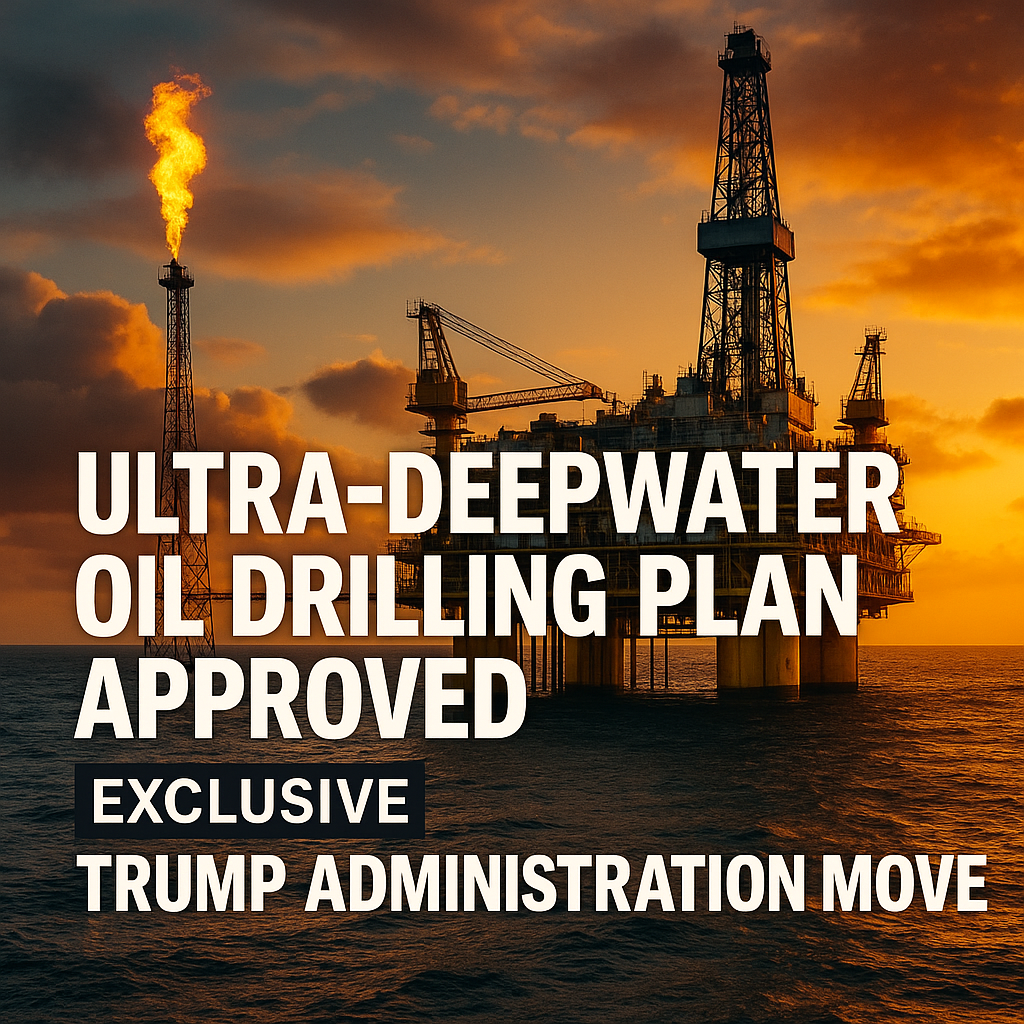
Ultra-Deepwater Oil Drilling Plan Approved: Exclusive Trump Administration Move
The ultra-deepwater oil drilling plan approved under the Trump administration marks a significant shift in U.S. energy policy, aiming to expand domestic oil production by tapping into previously off-limits offshore areas. This move, which has drawn both acclaim and criticism, reflects broader efforts to bolster energy independence while raising concerns about environmental risks and regulatory oversight.
What Is Ultra-Deepwater Oil Drilling?
Ultra-deepwater oil drilling refers to the extraction of petroleum from underwater sites located at depths exceeding 1,500 meters (approximately 4,900 feet). These operations require advanced technology and specialized equipment to safely reach and operate in such challenging environments, often involving high-pressure reservoirs buried beneath the ocean floor.
Drilling at these depths presents unique logistical and safety challenges, such as managing extreme underwater pressures, preventing blowouts, and avoiding contamination of fragile marine ecosystems. Despite these risks, ultra-deepwater reserves represent some of the last frontiers in oil exploration and production, holding potentially massive quantities of untapped crude.
Overview of the Recently Approved Plan
Under the Trump administration, the Department of the Interior moved forward with an ultra-deepwater drilling expansion plan primarily focused on areas in the Gulf of Mexico and parts of the Atlantic seabed. The approval process involved easing restrictions that were previously in place to limit offshore drilling and modifying existing environmental regulations to streamline permit issuance.
This policy change was designed to boost domestic oil output at a time when the global energy landscape was shifting due to fluctuating oil prices and geopolitical uncertainties. The administration emphasized that opening these ultra-deepwater sites could create thousands of jobs, increase government revenues from leasing fees, and reduce reliance on foreign oil imports.
The Strategic and Economic Implications
The approval of ultra-deepwater drilling plans aligns with the broader “energy dominance” strategy promoted during the Trump years. By unlocking new oil reserves beneath the ocean floor, the U.S. envisioned strengthening its position as a global energy leader. This approach promised significant economic benefits, including:
– Job Creation: The development and support sectors tied to deepwater drilling, such as shipbuilding, engineering, and environmental monitoring, stood to benefit from expanded activity.
– Energy Independence: Increasing domestic oil production would potentially lower gasoline prices and enhance national security by reducing the vulnerability associated with foreign oil dependencies.
– Government Revenue: Offshore leases and taxes could contribute billions annually to federal funds, supporting infrastructure and other public programs.
Environmental and Regulatory Concerns
Despite the potential economic advantages, the ultra-deepwater oil drilling plan did not come without controversy. Environmental groups and some coastal communities expressed profound concerns about the risks associated with offshore drilling, particularly in ultra-deep waters where accidents can be catastrophic.
– Risk of Oil Spills: The Deepwater Horizon disaster in 2010 remains a cautionary tale, showcasing how difficult it is to manage blowouts miles beneath the ocean surface. Critics argued that loosening regulations could increase the chances of a similar environmental tragedy.
– Marine Ecosystem Damage: Ultra-deepwater drilling can disrupt marine habitats, threaten endangered species, and degrade water quality, impacting commercial fisheries and tourism industries.
– Climate Change Considerations: Opponents also highlighted the contradiction between opening new fossil fuel extraction sites and global goals to reduce greenhouse gas emissions, emphasizing the need to transition toward renewable energy sources.
Regulators attempted to mitigate these concerns by maintaining some safety requirements and enhancing monitoring technologies. However, many argued that the rollbacks in oversight were premature and inadequately addressed the long-term environmental risks.
What Happens Next?
Following the approval, energy companies have reportedly been preparing to mobilize rigs to these newly accessible ultra-deepwater fields, with initial exploratory drilling slated to begin within months. The success or failure of these operations will likely influence future policy decisions regarding offshore drilling.
Meanwhile, with the change in administrations after Trump, some regulatory policies concerning offshore drilling are subject to revision. New leadership may impose stricter safeguards or reconsider granting permits to new ultra-deepwater sites in response to evolving environmental priorities and public pressure.
Conclusion
The ultra-deepwater oil drilling plan approved during the Trump administration represents a complex balancing act between promoting economic growth and protecting the environment. While it opens new opportunities for energy development and job creation, it also brings heightened risks to marine ecosystems and climate goals. Continued scrutiny from policymakers, industry stakeholders, and the public will be essential to ensure that ultra-deepwater drilling operations proceed safely and responsibly in the years ahead.