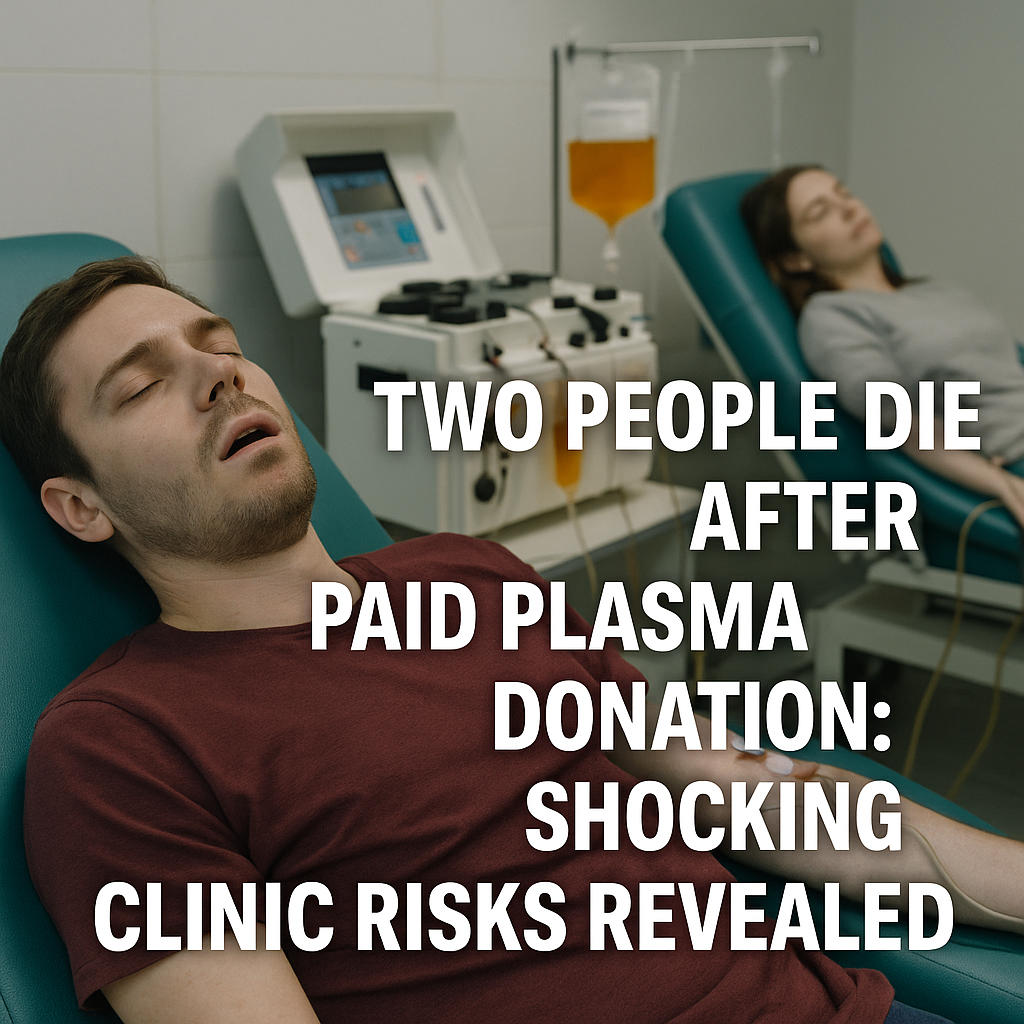
Two People Die After Paid Plasma Donation: Shocking Clinic Risks Revealed
The recent news that two people died after donating plasma at a paid clinic has sent shockwaves through the medical community and the public alike. Plasma donation, often presented as a relatively safe process that can also provide financial compensation, is generally regarded as low risk. However, these tragic incidents have exposed disturbing risks associated with some paid plasma donation clinics, raising urgent questions about safety standards, donor care, and regulation.
Understanding Plasma Donation and Its Appeal
Plasma donation involves extracting the liquid component of blood, plasma, which contains essential proteins needed for treatments such as clotting disorders, immune deficiencies, and more. People typically donate plasma via a process called plasmapheresis, where blood is drawn, plasma separated, and the remaining blood components returned to the donor.
The option to earn money while helping save lives can be appealing, especially for individuals facing financial hardship. Paid plasma donation clinics operate primarily in the United States and some other countries, where nonprofit blood donation and paid plasma collection coexist.
What Went Wrong? Examining the Clinic Risks
The deaths of two donors at a paid clinic have brought attention to several troubling aspects:
1. Inadequate Health Screening: Proper health assessment before plasma donation is critical to ensure the donor’s well-being. Some clinics, under pressure to increase donor volume, may rush or skip thorough examinations, missing underlying conditions such as heart problems or infections that can complicate the procedure.
2. Dehydration and Cardiovascular Strain: Plasma donation requires removing significant fluid volume, which can lead to dehydration, low blood pressure, or cardiac stress in vulnerable individuals. Without proper monitoring and hydration protocols, donors can suffer severe complications.
3. Improper Staffing and Training: Clinics driven by profit motives may underemploy or undertrain their staff. When medical personnel lack experience or are insufficient in number, their ability to respond promptly to emergencies diminishes drastically.
4. Poor Emergency Response: In the events leading to the fatalities, witnesses reported delays in emergency intervention and inadequate communication. A quick response can be life-saving when adverse reactions occur.
Regulatory Gaps and Oversight Challenges
One critical factor implicated in these tragedies is the lax regulation of paid plasma donation centers compared to traditional blood donation organizations. While the U.S. Food and Drug Administration (FDA) sets standards for plasma collection, enforcement varies widely, and inspections may be infrequent.
Additionally, paid plasma centers often operate under different business models, emphasizing donor quantity and profit margins. This creates a conflict between commercial goals and prioritizing donor safety.
How Can Donors Protect Themselves?
Potential plasma donors should be aware of safety tips before choosing a clinic:
– Research the clinic’s reputation. Look for reviews and any history of complaints or adverse incidents.
– Confirm that the clinic follows FDA guidelines. Don’t hesitate to ask staff about their screening processes and emergency protocols.
– Be honest about your health history. Providing accurate information helps prevent complications.
– Monitor how you feel during and after donation. If you experience dizziness, chest pain, or severe weakness, seek immediate medical help.
Industry Reactions and Calls for Reform
Following these heartbreaking events, advocacy groups and healthcare professionals have called for:
– Stricter regulatory oversight of all plasma donation centers, especially those operating for profit.
– Mandatory public reporting of adverse donor events and fatalities.
– Standardized training and certification requirements for all personnel involved in plasma collection.
– Improved donor education to ensure informed consent and awareness of risks.
Several states are also considering legislation to tighten controls on plasma clinics, while some industry leaders are reevaluating corporate policies to enhance donor safety.
The Importance of Plasma Donation — Safely
Plasma remains a critical resource for many life-saving therapies. Paid plasma donation has expanded supply dramatically, benefiting countless patients worldwide. However, donor safety must never be compromised for financial gain. As these tragic deaths underscore, awareness, vigilance, and reform are essential to protect those who help save lives.
Final Thoughts
While plasma donation is a vital and generally safe medical procedure, the recent deaths after paid plasma donation at one clinic have revealed shocking risks within the industry. Donors must carefully choose clinics with proven safety records, and comprehensive reforms are urgently needed to prevent future tragedies. Only by prioritizing safety, transparency, and ethical practices can the plasma donation system continue to serve patients without endangering donors.