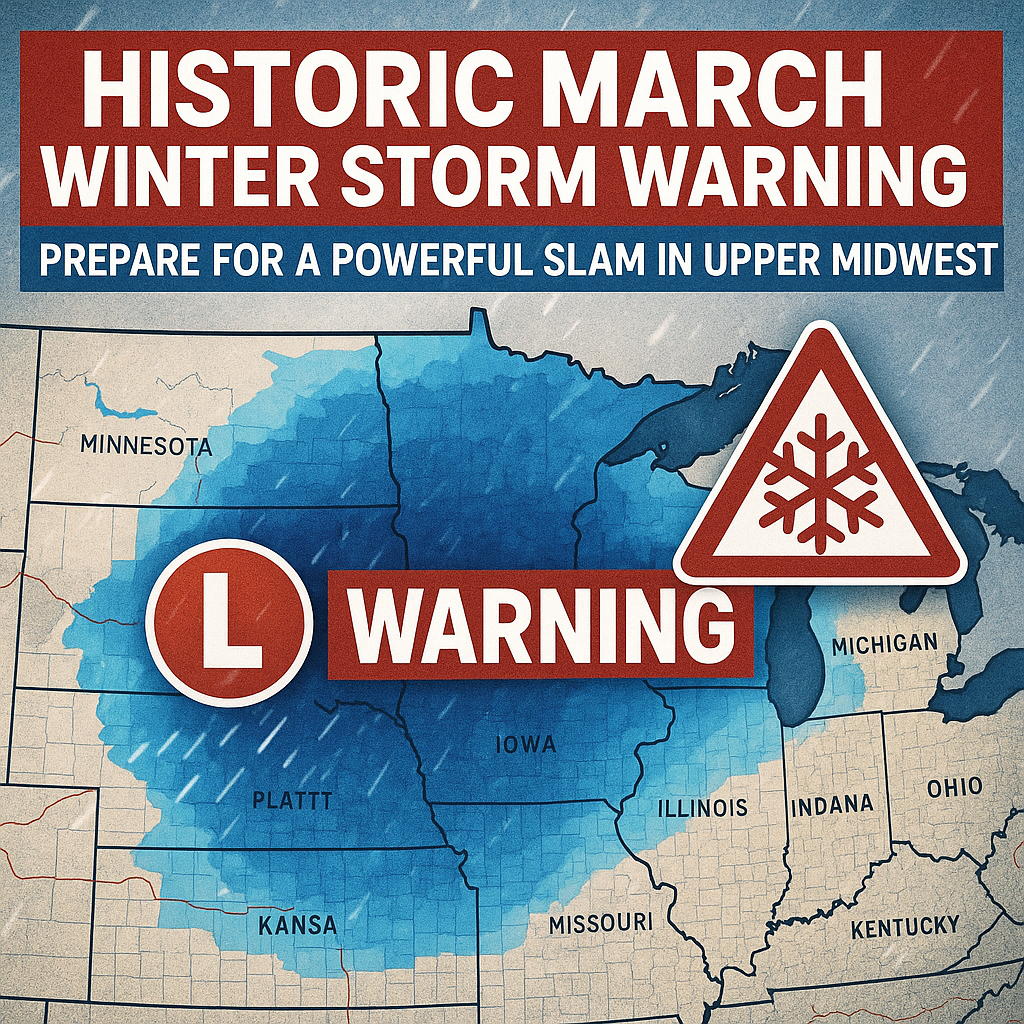
Historic March Winter Storm Warning: Prepare for a Powerful Slam in Upper Midwest
A historic March winter storm warning has been issued for the Upper Midwest, signaling one of the most intense late-winter weather events in recent memory. As residents brace for what meteorologists predict to be a powerful slam of snow, ice, and freezing winds, preparation and awareness are crucial to weathering the storm safely. This article breaks down what to expect, how to prepare, and the potential impacts of this formidable system.
Understanding the Historic March Winter Storm Warning
Late March storms are not unprecedented in the Upper Midwest, but the current warning goes beyond the usual cautionary alerts. Weather models indicate a combination of heavy snowfall, freezing rain, and blustery winds that could cause widespread travel disruptions and power outages across the region. Meteorologists emphasize the rarity of a storm of this scale and timing, with some comparing it to severe winter events typically seen in December or January.
The storm’s unique strength stems from a collision of cold Arctic air moving southward meeting moist air streaming up from the Gulf of Mexico. This classic setup fuels the formation of a potent snowstorm, potentially dumping over a foot of snow in certain areas, all while ice accumulation threatens road safety and infrastructure. Wind chills could plummet into dangerously low levels, increasing the risk of frostbite and hypothermia.
Forecasted Conditions Across the Upper Midwest
The states most likely to be impacted include Minnesota, Wisconsin, Iowa, and parts of northern Illinois and the Dakotas. Snowfall totals could vary dramatically, with some cities expecting near-blizzard conditions marked by reduced visibility and powerful gusts exceeding 40 mph. Ice accumulation will be a particular hazard on elevated surfaces such as power lines and tree branches, increasing the likelihood of outages and fallen debris.
Temperatures will hover below freezing for much of the storm’s duration, making it difficult for snow and ice to melt quickly. This prolonged cold snap following a relatively mild late winter season adds to the storm’s potential for significant disruption. Residents might face challenges ranging from dangerous roadways to school closures and interruptions to daily routines.
How to Prepare for the Powerful Slam
Given the severity of the warning, early and thorough preparation is the best way to stay safe. Here are essential steps residents should consider:
– Stock Up on Supplies: Ensure you have enough food, water, medications, and essential items to last several days. Power outages could limit access to stores or services.
– Charge Electronics: Keep phones, laptops, and portable chargers fully powered so you can maintain communications and access news updates.
– Emergency Kits Ready: Prepare a kit with flashlights, batteries, first aid supplies, blankets, and warm clothing.
– Plan Your Travel: Avoid unnecessary trips during the peak of the storm. If travel is unavoidable, inform someone of your route and expected arrival time.
– Protect Your Home: Clear gutters and drains, insulate pipes to prevent freezing, and secure outdoor items that could be damaged or tossed by high winds.
– Stay Informed: Monitor trusted weather forecasts through local news channels, weather apps, or the National Weather Service.
Potential Impacts and Safety Tips During the Storm
During the historic winter storm event, it’s vital to limit exposure to harsh conditions. If you must go outside, dress in layers, cover exposed skin, and take breaks inside to warm up. Keep pets indoors or provide warm shelters to protect them from the elements.
Road conditions will be extremely hazardous due to snowpack and ice. Unless you are an experienced winter driver with a vehicle equipped for severe weather (including snow tires or chains), it’s safest to stay off the roads. If stranded in a vehicle, keep the exhaust pipe clear, run the engine sparingly to conserve fuel, and stay inside the vehicle for warmth.
Power outages could last several hours or longer depending on the storm’s impact on transmission lines. Have battery-powered radios available to stay informed and plan for alternative heating sources if necessary, but never use generators or grills indoors due to carbon monoxide risk.
After the Storm: Recovery and Cautions
Once the storm passes, recovery efforts will demand attention to safety. Be cautious of downed power lines and report them immediately. Clear walkways and driveways carefully, taking care to avoid overexertion, which can lead to heart attacks or injuries.
Communities often band together after major storms, helping neighbors and checking on vulnerable individuals. This solidarity is crucial in speeding up recovery and ensuring everyone’s well-being.
Conclusion
The historic winter storm warning for the Upper Midwest is a clear call to action. This powerful slam of cold, snow, and ice is not only a dramatic reminder of the region’s unpredictable weather but also an opportunity to demonstrate resilience and preparedness. By staying informed, preparing early, and taking safety seriously, residents can weather this historic event with confidence and care. Stay safe, stay warm, and keep a close eye on further updates as this significant weather event unfolds.