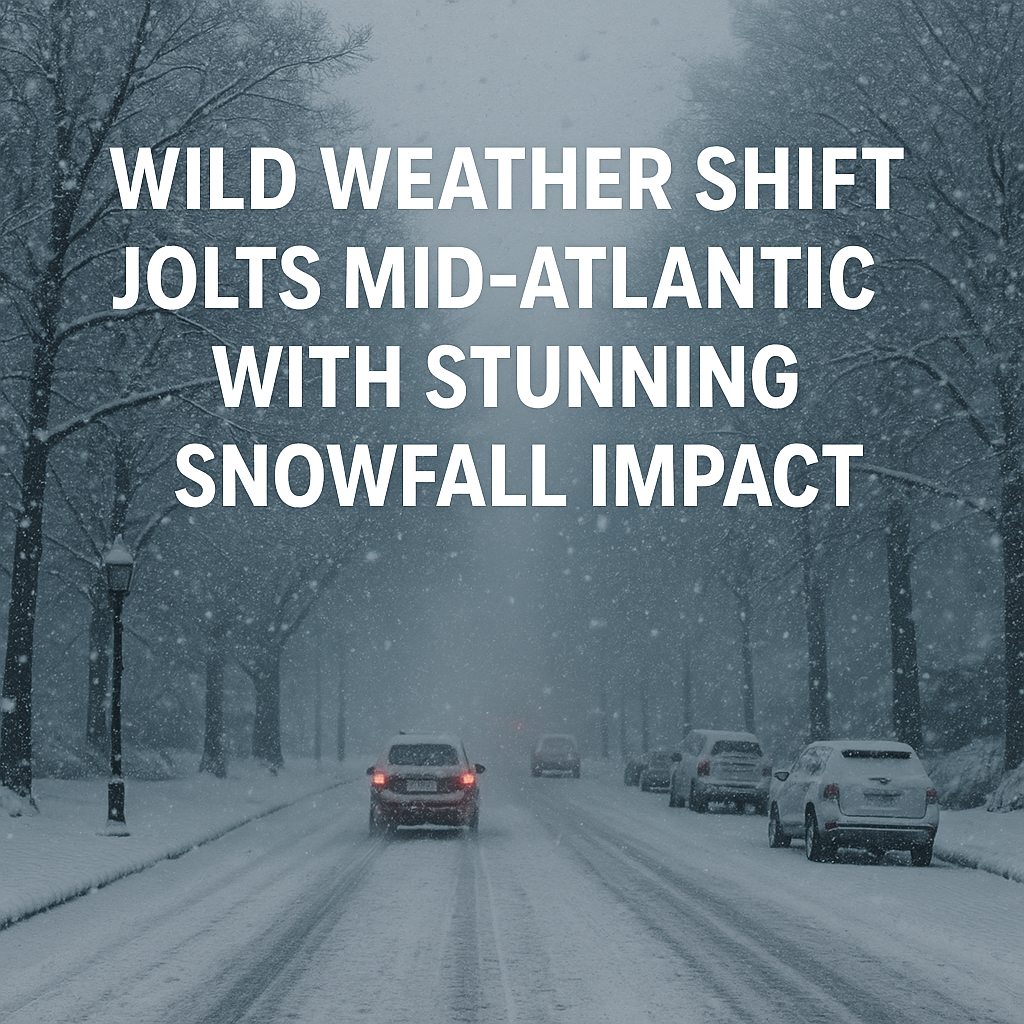
Wild Weather Shift Jolts Mid-Atlantic With Stunning Snowfall Impact
The Mid-Atlantic region recently experienced a wild weather shift that jolted residents and officials alike with stunning snowfall impacts. This unexpected change from a typically mild winter to an intense snow event caught many off guard, disrupting daily routines and prompting emergency responses across multiple states. Understanding the causes, effects, and preparations for such wild weather shifts is essential for anyone living in this often unpredictable region.
The Sudden Turn: What Caused the Wild Weather Shift?
Mid-Atlantic winters are generally variable, but this particular wild weather shift was driven by a combination of atmospheric conditions that converged to produce heavy snowfall in areas that usually see moderate precipitation. A strong cold front moving in from the northwest collided with moist air rising from the Atlantic Ocean, creating ideal conditions for snow. This clash of cold and warm air masses intensified the storm, leading to rapid accumulation of snow in urban centers from Washington D.C. to Philadelphia and Baltimore.
Meteorologists pointed out that the jet stream dipped unusually far south, guiding an unseasonably cold air mass over the region. Meanwhile, oceanic moisture fed the storm system, providing ample fuel for snowfall. This rare confluence led to precipitation amounts exceeding several inches in a matter of hours, a noteworthy departure from the generally lighter winter conditions typical of the Mid-Atlantic.
Stunning Snowfall Impact on Infrastructure and Daily Life
The stunning snowfall impact was immediately felt across the Mid-Atlantic. Roads became treacherous as plows struggled to keep up with the accumulating snow, resulting in numerous traffic accidents and widespread delays on highways and local streets. Public transportation systems, including buses and commuter trains, faced significant disruptions, leaving many commuters stranded or forced to seek alternative routes.
School closures and remote work advisories quickly followed as safety concerns mounted. Businesses shuttered temporarily, and emergency services prepared for an influx of weather-related incidents. The power grid also faced challenges due to fallen trees and branches weighing heavily under the snow, causing outages for thousands of households.
Despite the upheaval, many communities demonstrated remarkable resilience. Emergency crews worked around the clock to clear major thoroughfares, restore power, and assist vulnerable populations such as the elderly and homeless. Volunteer groups also mobilized to provide warm shelters and distribute supplies to those affected by the sudden storm.
Preparing for Wild Weather Shifts in the Mid-Atlantic
This event highlights the importance of preparing for wild weather shifts in the Mid-Atlantic, where conditions can change rapidly. Residents should stay informed by monitoring local weather forecasts closely during the winter months and establish emergency plans that include stocked supplies, alternate transportation options, and communication strategies with family and neighbors.
Winterizing homes and vehicles is another critical step. Ensuring that heating systems are functioning properly, windows and doors are sealed, and vehicles have appropriate tires and emergency kits can make a significant difference when a storm strikes. Local governments and agencies also play a key role in readiness by maintaining equipment, updating response protocols, and providing timely public information.
The Broader Climate Context of Mid-Atlantic Snowfall
While one snowfall event does not define climate trends, the wild weather shift reminds us that climate variability can result in surprising weather extremes in the Mid-Atlantic. Scientists studying climate change have observed that shifting atmospheric patterns, such as changes in the jet stream, may increase the frequency and intensity of such events. Warmer air holds more moisture, potentially leading to heavier precipitation, including snow during colder outbreaks.
Adapting to these changing conditions requires a collaborative effort at individual, community, and governmental levels. Investments in infrastructure resilience, community preparedness programs, and public education are vital to minimizing the disruptions caused by future weather surprises.
Conclusion: Embracing the Challenge of Wild Weather in the Mid-Atlantic
The recent wild weather shift jolting the Mid-Atlantic with stunning snowfall impact serves as both a cautionary tale and a call to action. It reminds us of nature’s unpredictability and the need for vigilance in the face of sudden weather changes. By understanding the dynamics that lead to these events, preparing accordingly, and supporting collective response efforts, the Mid-Atlantic region can better weather the wild shifts that winter and climate variability may bring.
As residents clean up from this extraordinary snowfall, the emphasis on preparedness and resilience grows stronger—readying the region not just for the next snowstorm, but for whatever weather surprises lie ahead.