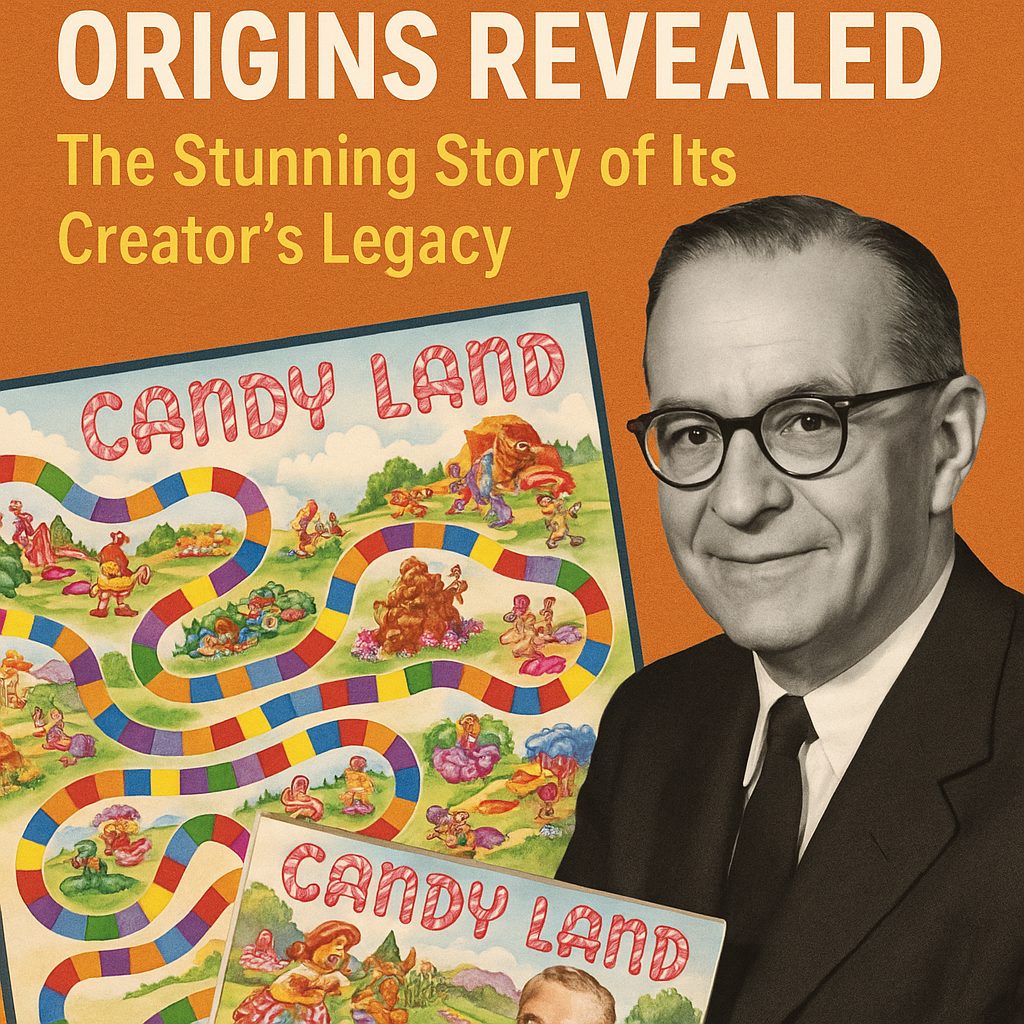
Candy Land origins revealed: the stunning story of its creator’s legacy unfolds a captivating journey into one of the most beloved board games in history. This colorful and whimsical game has entertained generations of children and families, but few know the fascinating backstory behind its creation and the remarkable legacy left by its inventor. From its inception during challenging times to becoming a cultural icon, Candy Land’s origins are as sweet and engaging as the game itself.
The Beginnings of Candy Land Origins Revealed
Candy Land was invented in the early 1940s by Eleanor Abbott, a nurse who was caring for children suffering from polio at a hospital in California. During this period, polio was a devastating illness that caused paralysis and hospitalization, especially in children. Abbott sought a creative and therapeutic way to lift their spirits and provide engaging, colorful escapism while confined to their hospital beds. She designed Candy Land as a simple and visually appealing board game that could be played without the need for reading, making it accessible to children of all ages and literacy levels.
What makes Candy Land origins revealed especially remarkable is how this game was born out of empathy and a desire to heal. Abbott’s intent wasn’t just to entertain; she wanted to create a world of joy and imagination where children could momentarily forget their pain and challenges. The idea of traveling through a vibrant and fantastical candy-themed world captured the hearts of these young patients and laid the foundation for what would become a timeless classic.
How Candy Land Became a Household Name
After Eleanor Abbott developed the game, it caught the attention of the game manufacturing company Milton Bradley. They saw the potential in this charming, easy-to-understand game and released it commercially in 1949. The timing was ideal—post World War II America was experiencing a baby boom, and families were looking for wholesome ways to spend time together at home.
Candy Land’s simple rules, bright colors, and familiar themes struck chord with children and parents alike. The game’s design reflected the candy motifs that still appeal today: Gumdrop Mountains, Licorice Lagoon, and Peppermint Forest. These imaginative locations empowered children to embark on a joyful journey across the board.
The easy accessibility of the game allowed siblings, parents, and grandparents to play together, bridging age gaps and creating cherished family moments. Early marketing also emphasized Candy Land as a tool to teach color recognition and turn-taking skills, adding educational value to the fun.
Eleanor Abbott’s Legacy: More Than a Game
The story of Candy Land’s origins revealed offers a deeper appreciation of Eleanor Abbott’s impact beyond the game board. As a nurse and creator, she understood the profound role of play in healing and childhood development—a principle embraced by educators and healthcare professionals today.
Eleanor’s invention has endured for over 70 years, a testament to its clever design and heartfelt purpose. Candy Land has expanded into countless editions, digital formats, and merchandise, further cementing its place in popular culture. It has also been used in therapeutic settings to encourage social interaction and cognitive skills.
Moreover, Abbott’s legacy is an inspiring example of how creativity and compassion can lead to innovations that touch millions of lives. Her story encourages creators and caregivers alike to consider the powerful connections between play, healing, and learning.
The Cultural Impact of Candy Land Origins Revealed
Beyond being a simple pastime, Candy Land has become a cultural touchstone. References to the game appear in television shows, movies, and literature, highlighting its place in the collective memory of childhood. The game’s rainbow-hued board is instantly recognizable, evoking nostalgia and warmth.
Candy Land also symbolizes the timeless nature of simple joys and the importance of inclusive play experiences. In a world increasingly dominated by screens and complex entertainment, the charm of Candy Land reminds us of the value of slowing down and sharing moments together.
Conclusion
Candy Land origins revealed showcases much more than the history of a board game—it uncovers a heartfelt legacy rooted in compassion, creativity, and connection. Eleanor Abbott’s invention transcended mere entertainment, becoming a lasting beacon of joy and hope for generations of children. Understanding this stunning story enriches the experience of playing Candy Land, reminding us that sometimes, the sweetest creations come from those who wished to make the world a bit kinder, one colorful step at a time.